Aug 21, 2026
Consumers are changing the way they think about sweetness. They still want enjoyable taste, but many are also paying closer attention to sugar intake, calories, ingredient lists, and plant-based alternatives. For food and beverage manufacturers, this creates a practical formulation challenge: how can you deliver sweetness while reducing or replacing added sugar?
Stevia powder is one of the ingredients helping manufacturers address that challenge.
Derived from the leaves of Stevia rebaudiana, stevia is known for its naturally occurring sweet compounds called steviol glycosides. Depending on the product specification and formulation, stevia powder can provide high-intensity sweetness while contributing little or no calories at typical use levels.
This article explains what stevia powder is, how it works, where it is used, and why it has become an important ingredient for modern food and beverage development.
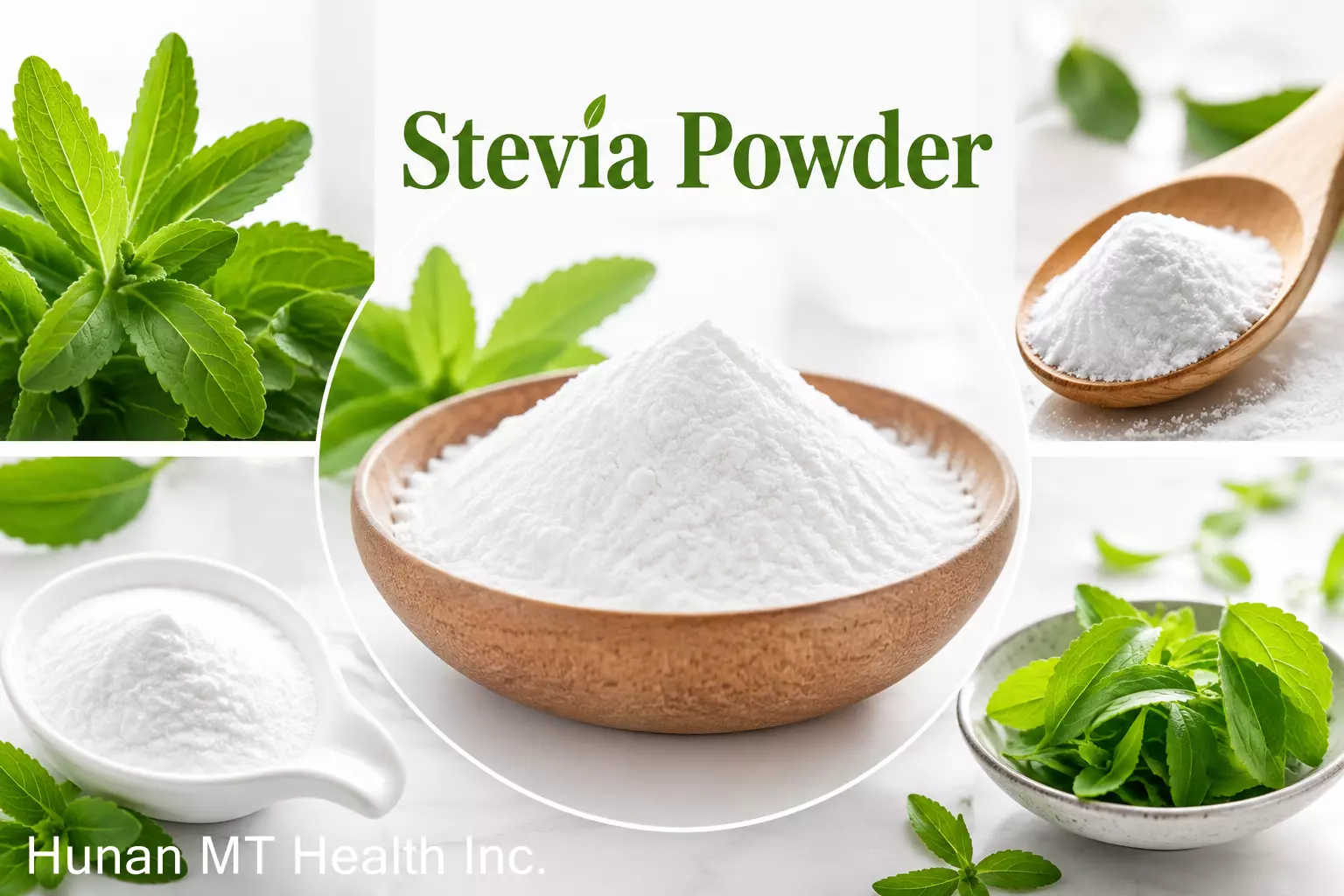
Stevia powder is a sweetening ingredient made from Stevia rebaudiana, a plant native to South America and now cultivated in several regions around the world.
The leaves naturally contain a group of sweet compounds known as steviol glycosides. Common steviol glycosides include:
Commercial stevia ingredients can vary significantly. A product described as “stevia powder” may be:
For manufacturers, the exact specification matters. Sweetness intensity, taste profile, purity, solubility, and formulation performance can differ from one stevia product to another.
Stevia is not simply a substitute for sugar. It offers a different approach to sweetness.
Its primary advantage is that certain purified steviol glycosides are high-intensity sweeteners, meaning relatively small amounts can provide significant sweetness.
This can help product developers reduce the amount of added sugar required in selected formulations.
However, successful sugar reduction is rarely as simple as replacing sugar gram-for-gram. Sugar affects more than sweetness—it can also influence bulk, texture, browning, freezing behavior, viscosity, and mouthfeel.
For this reason, stevia is often most effective as part of a broader formulation strategy.
The answer depends on the type of product.
Purified steviol glycosides can be many times sweeter than sucrose, but sweetness varies according to:
For example, Reb A and Reb M may deliver different sensory characteristics.
This is why B2B buyers should not select a stevia ingredient based only on a high purity percentage. The best stevia specification depends on the desired taste profile and final application.
A sweetener that performs well in a flavored beverage may not deliver the same result in chocolate, dairy products, or bakery applications.
Stevia can provide a clean, intense sweetness, but some stevia ingredients may also produce sensory notes such as:
Taste perception depends heavily on the specific steviol glycoside composition and the overall formulation.
Modern product development often focuses on improving the sensory profile through:
Different steviol glycoside profiles can produce different sweetness characteristics.
More sweetener does not necessarily mean a better product. Excessive dosage can increase undesirable aftertastes.
Stevia may be combined with other sweetening ingredients to create a more balanced sweetness profile.
Acids, flavors, masking ingredients, and other components can influence how sweetness is perceived.
For manufacturers, the goal is not simply to maximize sweetness. The goal is to create a balanced sensory experience.
One of the most common questions from product developers is:
Not always.
From a sweetness perspective, stevia can replace some or much of the sweetness provided by sugar. However, sugar performs multiple technical functions in food.
Depending on the application, manufacturers may need to replace sugar’s:
This is why stevia is often used alongside ingredients such as:
The best solution depends on the product category and the regulations of the target market.
For industrial buyers, choosing a stevia supplier involves more than comparing price per kilogram.
Here are several important purchasing considerations.
Ask which compounds are present and what is being standardized.
For example, buyers may need information about:
The appropriate specification depends on the intended application and sensory target.
Confirm whether you are buying:
These products should not be treated as interchangeable.
Request samples and conduct application testing.
A specification that looks excellent on paper may not be the best choice for your final product.
Consider:
For beverages and instant products, physical performance is important.
Depending on the application, buyers may need to evaluate:
Depending on the market and product category, buyers may request:
Always confirm current documentation with the supplier before purchasing.
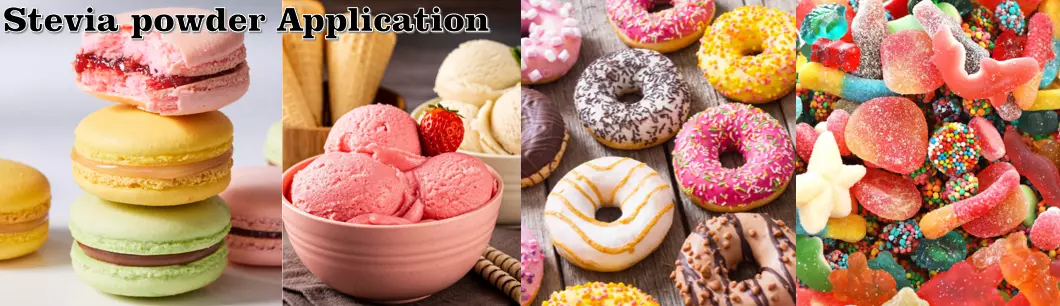
| Application | How Stevia Can Be Used | Key Formulation Consideration |
|---|---|---|
| Beverages | Reduced-sugar sweetness | Taste profile and pH |
| RTD Tea & Coffee | Sweetness without large sugar additions | Flavor balance |
| Protein Powders | Sweetening nutritional formulas | Mixing and sensory profile |
| Functional Foods | Reduced-sugar product concepts | Bulk and mouthfeel |
| Dairy Products | Sweetness in yogurt and flavored products | Acidity and flavor masking |
| Plant-Based Products | Sweetening dairy alternatives | Compatibility with proteins and flavors |
| Bakery | Partial sugar reduction | Texture and browning |
| Confectionery | Sweetness adjustment | Structure and bulking |
Hunan MT Health try best to understand customer’s needs, predict the market changes, put forward innovative solutions, Adopt creative thinking and advanced technology to improve better service. You are welcome to visit our company any time!
Chat
Leave Your Message
Send your inquiry


 TH
TH  EN
EN  ZH
ZH  AR
AR  EN_GB
EN_GB  DA
DA  DE
DE  ES
ES